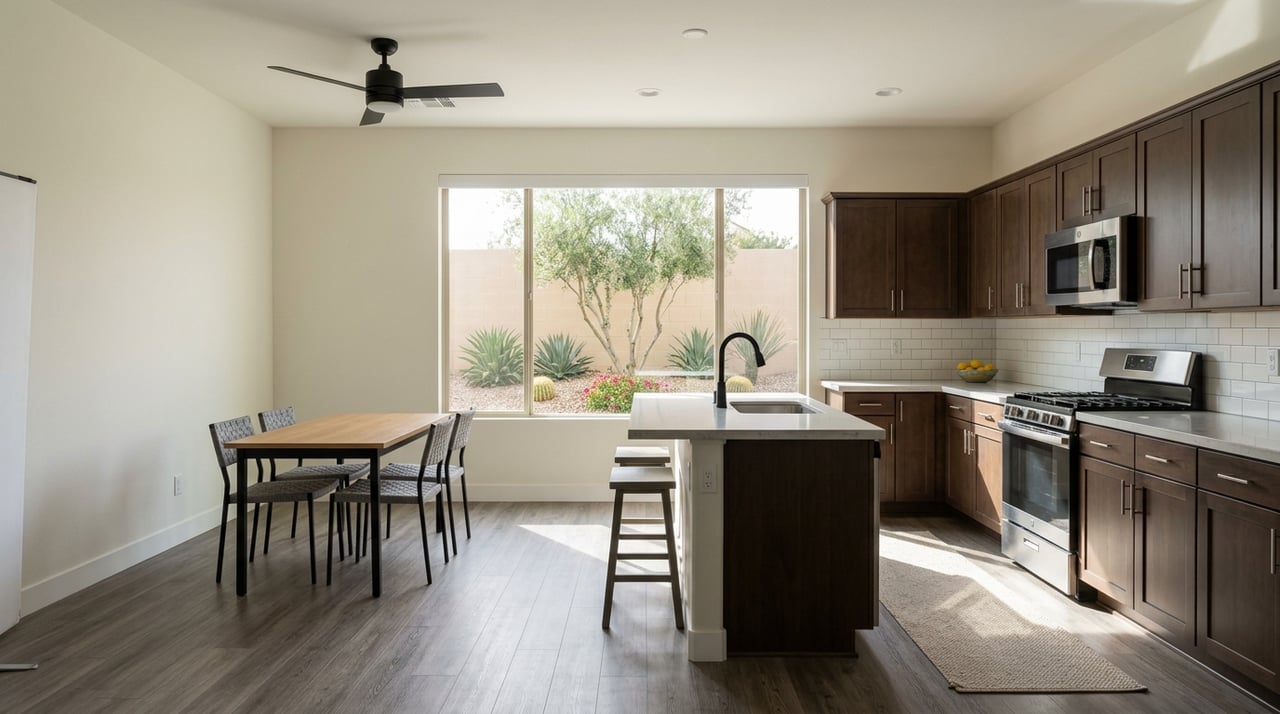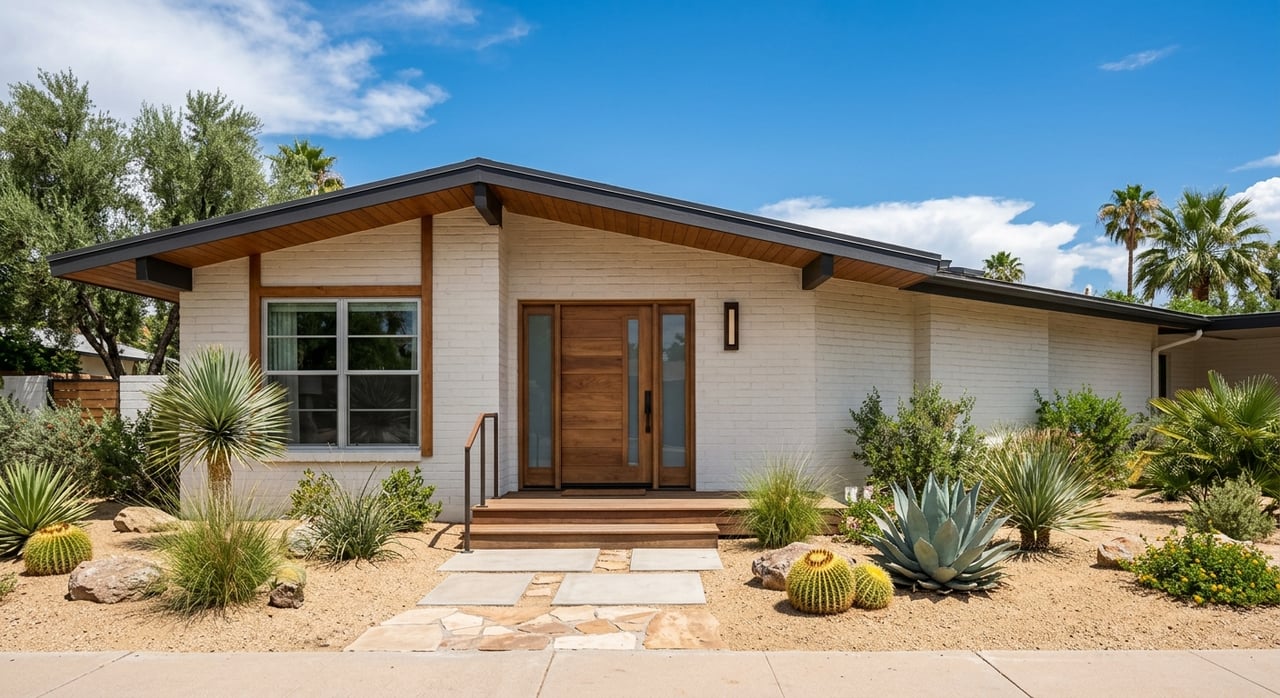
Shopping luxury homes in Paradise Valley can feel like touring private resorts. You see the mountains, the light, the privacy, and you start picturing your days unfolding inside and out. If you are buying or preparing to sell, it helps to know which features consistently catch buyers’ eyes and why they matter for enjoyment and resale. This guide breaks down the luxury details that stand out in Paradise Valley and how to prioritize them with confidence. Let’s dive in.
What luxury means in Paradise Valley
Paradise Valley typically trades in the multi-million-dollar range. As of February 2026, data providers place “typical” values between roughly $3 million and $6 million, with many estates well above $10 million. For example, Redfin reported a median sale price near $6.2 million, Zillow’s average value hovered around $3.45 million with a median list near $4.87 million, and Realtor.com’s snapshot showed about $5.5 million. The Maricopa County Assessor’s 2026 report also lists a single-family median assessed value around $3.185 million. Different methods explain the spread, so always match price talk to a specific source and date.
Paradise Valley’s one-acre character shapes what you see. The town’s dominant R-43 zoning requires a minimum lot size of about one acre, which preserves low density and supports private, estate-style living. Review the town’s zoning ordinance for R-43 to understand how lot size and site planning influence what can be built. If you are looking at hillside property or planning exterior changes, the Town regulates walls, finishes, landscaping, and mountainside massing, and many items require approvals. You can confirm process and scope in the Town’s building and hillside overview.
Features buyers notice most
Seamless indoor-outdoor flow
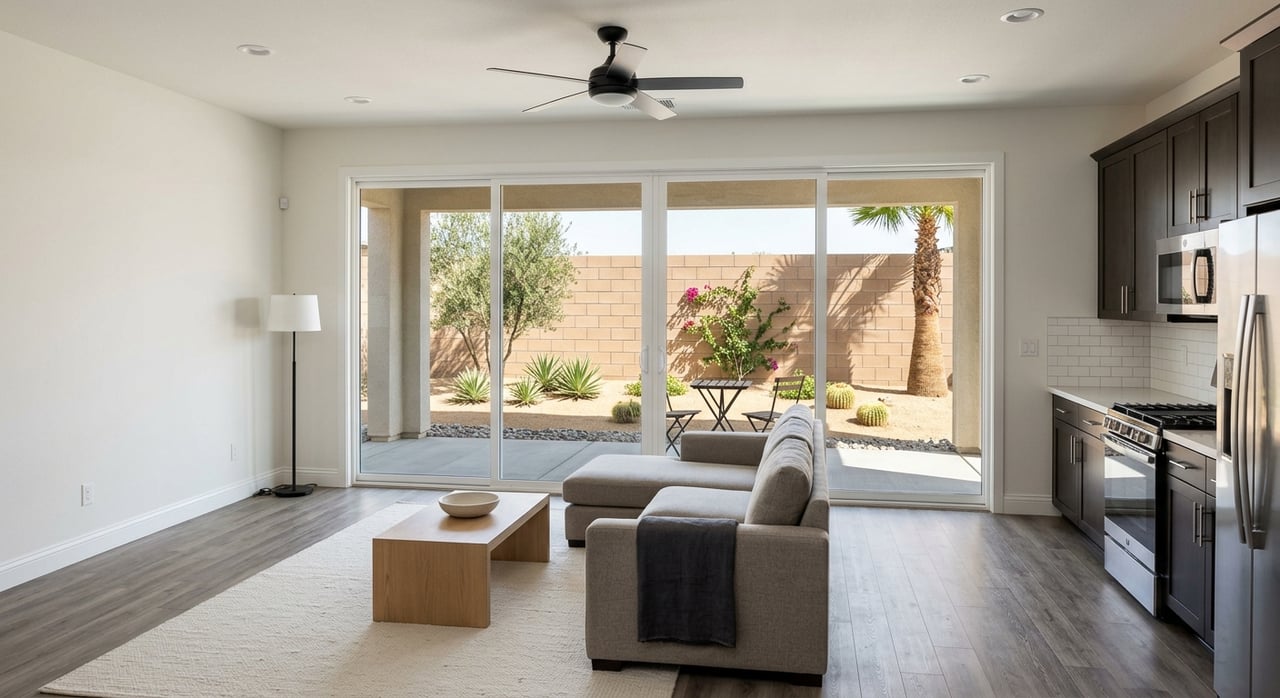
In Paradise Valley, indoor-outdoor living is a core expectation. Full-height sliding or pocketing glass, shaded terraces with fans and heaters, matched interior-exterior flooring, and retractable screens create a single living experience. Arizona builders consistently call indoor-outdoor design one of the top requests among clients, which tracks with how buyers live and entertain here. For a deeper look at current design priorities, see this Arizona-focused trend overview on indoor-outdoor planning.
Why it matters: You gain usable square footage for most of the year, your home photographs and shows beautifully, and hosting becomes effortless. It also signals a well-executed, climate-appropriate design to future buyers.
Resort-style backyards
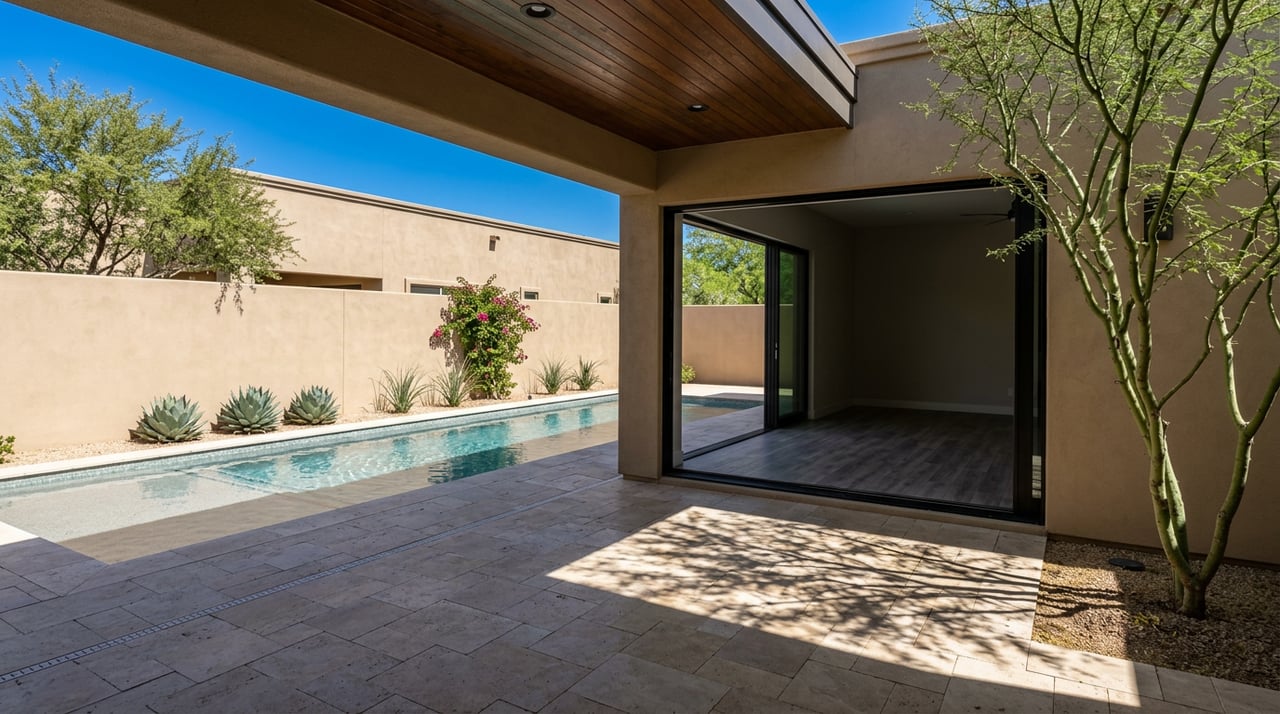
Buyers expect a backyard that feels like a private resort. Negative or vanishing-edge pools, Baja shelves, integrated spas, fire features, outdoor kitchens with full appliances, and shaded cabanas or casitas stand out on showings and in listing photos. These elements create zones for sun, shade, dining, and conversation so large groups can spread out comfortably.
Keep return-on-investment in perspective. The National Association of REALTORS’ 2023 Remodeling Impact Report models the typical cost of adding an in-ground pool at about $90,000, with an estimated resale recovery around 56 percent. The same report shows very high owner satisfaction for outdoor features, which underscores a key point: in the Sun Belt, pools and outdoor spaces are often justified by lifestyle value first. You can review the report’s outdoor project findings in the NAR Remodeling Impact Report.
Plan for ownership costs. Professional pool maintenance and operations often run about $1,000 to $3,500 or more per year depending on system type and use. A quick consumer overview of typical ranges is available in Angi’s pool maintenance guide. Factor in energy use and equipment replacement planning.
Privacy-first site design
Privacy sells in Paradise Valley. Buyers look for gated drives, walled courtyards, layered desert-friendly landscaping, and thoughtful orientation that frames mountain views while shielding neighboring homes. On one-acre lots, the right mix of walls, plantings, and massing can create a quiet, private compound feel.
If you plan to change walls or fencing, know that the Town regulates many exterior items. Before you assume a feature can be modified, review the Town’s building and hillside overview and confirm permitting. The combination of privacy and acreage is scarce by design under R-43 zoning, which is one reason truly private estates command premiums.
Mountain and city views
Unobstructed views of Camelback, Mummy Mountain, Piestewa Peak, or the McDowells consistently influence buyer preference. Academic research on view premiums shows that value uplift varies widely by view type and quality, with the strongest premiums tied to higher-quality, unobstructed vistas. Translate that locally: clean, panoramic mountain views are limited and often priced accordingly. For background on how appraisers think about views, see the classic hedonic study on the value of a view. Always anchor pricing to recent local comps.
Secondary high-end features
In Paradise Valley estates, you often see:
- Detached casitas or full guest suites for privacy and flexibility.
- Wellness rooms such as gyms, saunas, cold plunges, and spa-style baths.
- Showcase kitchens with dual cooking centers, catering or butler’s pantries, and wine rooms.
- Smart-home integration, advanced security, EV charging, and oversized or collectors’ garages.
These features support day-to-day ease and signal a well-equipped home to discerning buyers.
Systems, resilience, and running the home
Solar and backup power
Arizona is among the top states for installed solar capacity, and many Valley homes leverage the sun to offset daytime loads. In the luxury segment, owned rooftop solar, battery storage, or a standby generator is often positioned as both a sustainability and resilience upgrade. If you are evaluating a system, clarify whether it is owned or leased and review production history. For statewide context on adoption and policy, start with SEIA’s Arizona solar market summary.
Water-wise landscaping
Lush resort yards look fantastic, but water is a practical and cost consideration. Desert-appropriate landscaping, efficient irrigation, and smart controllers can lower outdoor use while preserving beauty. The Arizona Department of Water Resources publishes helpful guidance and plant lists for xeriscaping; explore their landscaping conservation resources.
Designing for monsoon season
From June through September, the Valley sees fast-moving summer storms, lightning, and occasional dust storms known as haboobs. These events affect exterior finishes, HVAC equipment, and pools. Durable materials, covered patios, equipment enclosures, and surge protection are common-sense design choices in this climate. For a plain-language explainer on monsoon and haboob events, see KJZZ’s interview with an ASU expert on Arizona’s summer storms. It also pays to review insurance exposures linked to pools, trees, and hillside siting; regional adjusters share preparedness tips for the season that you can skim in this monsoon claims overview.
How features influence enjoyment and resale
Your return comes in two forms: daily life and eventual resale. Outdoor living upgrades, patios, and kitchens rate high on owner joy scores nationally, while pools in particular often deliver standout lifestyle value but only partial cost recovery at sale. The NAR report models pool addition recovery around 56 percent, which is useful framing when you weigh a remodel for personal use versus payback. You can revisit those figures in the NAR Remodeling Impact Report.
Scarcity supports value in Paradise Valley. Large lots and protected hillside settings are limited by design under the town’s R-43 zoning and related rules. Over time, that scarcity helps sustain pricing power for private view lots and encourages investment in durable systems and finishes.
Finally, think about buyer expectations. In this market, features like seamless indoor-outdoor flow, a resort backyard, flexible guest accommodations, and resilient systems tend to be baseline expectations for high-end shoppers. When your home delivers those elements with quality and care, it shows up stronger in photos, tours, and negotiations.
Quick seller checklist before you list
- Confirm lot size and zoning designation. If it is R-43 or a noted exception, state it clearly and link the listing remarks to the town’s zoning standards.
- Document view corridors. Note which mountains you see and whether the view is largely unobstructed.
- Showcase indoor-outdoor systems. Call out pocketing doors, screens, misting, heaters, and matched flooring.
- Detail pool and equipment. Note pool type, special features, and recent service or equipment replacement dates.
- Explain water strategy. Highlight xeriscape, irrigation tech, and any conservation upgrades with reference to ADWR landscaping guidance.
- Clarify energy and backup. State whether solar and batteries are owned or leased and provide production data when available.
- Flag existing approvals. If hillside or exterior changes were previously approved, reference the Town’s hillside and building guidelines.
Ready to refine your wish list?
Whether you are zeroing in on a view lot or polishing a listing for market, you deserve tailored guidance grounded in Paradise Valley know-how. Our boutique team pairs white-glove service with premium marketing that showcases the features buyers notice most. For discreet, data-backed advice on your next move, connect with Arizona Proper Real Estate. Schedule a private consultation.
FAQs
What does “luxury” buy in Paradise Valley right now?
- As of February 2026, major providers place typical values between roughly $3 million and $6 million, depending on method and neighborhood. Examples: Redfin’s median sold price near $6.2 million, Zillow’s average value around $3.45 million with a median list near $4.87 million, and Realtor.com’s snapshot near $5.5 million. Always cite the source and date when discussing price.
Do mountain views add value in Paradise Valley home pricing?
- High-quality, unobstructed mountain views are recognized premiums here. The appraisal literature shows view value varies by view type and quality, so lean on local comps for a specific estimate and review this primer on the value of a view.
Is a pool worth adding for a Paradise Valley property?
- For lifestyle and marketability, yes in many cases. National modeling from NAR pegs an added in-ground pool at about $90,000 with ~56 percent resale recovery and high owner satisfaction. Plan for $1,000 to $3,500+ in annual upkeep; see the NAR report and Angi’s cost guide.
Are there building or fence restrictions unique to Paradise Valley?
- Yes. The Town regulates many exterior changes, including fences, walls, hillside work, and some finishes, with approvals required in many cases. Review the Town’s hillside and building guidance early in your planning.
How big are lots in Paradise Valley and why does it matter?
- Most residential lots fall under R-43 zoning with about a one-acre minimum. That low-density standard supports privacy and view preservation and helps drive long-term estate values. See the town’s zoning ordinance for details.
Do solar and batteries help resale in Paradise Valley luxury homes?
- Buyers often view owned solar and battery backup as positive for resilience and operating efficiency. Arizona ranks among the top states for installed solar, which makes these systems familiar to local shoppers. For statewide context, see SEIA’s Arizona solar summary.