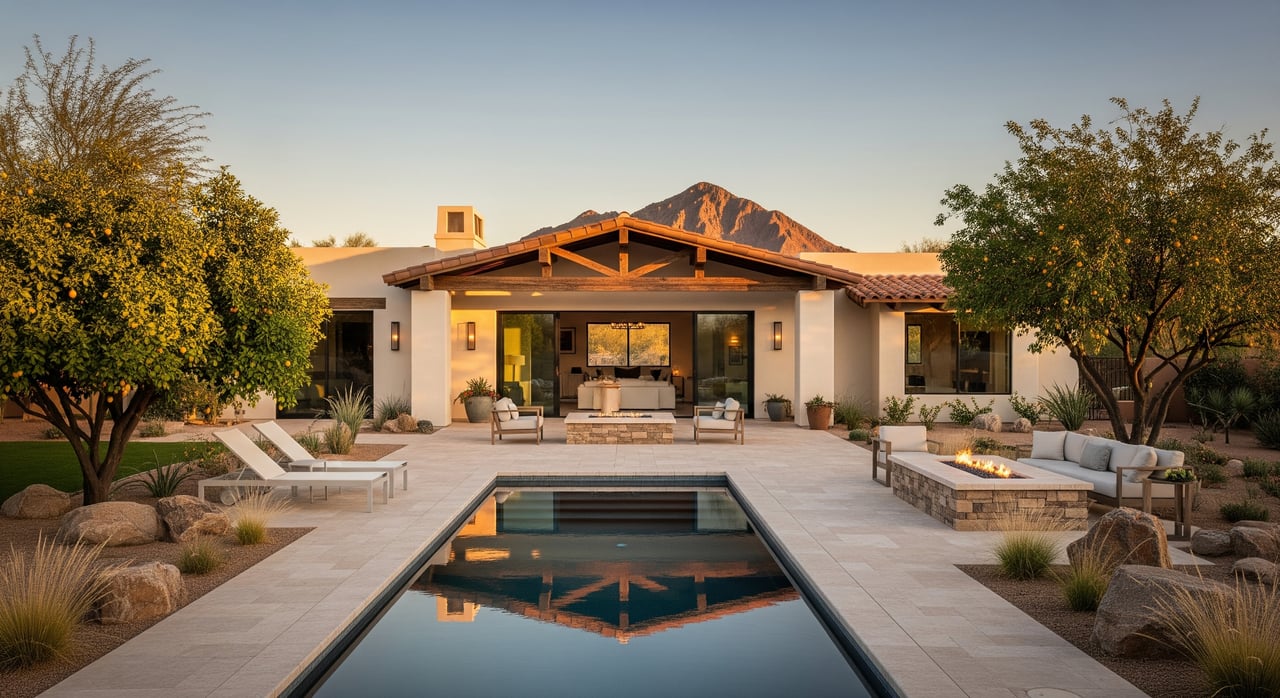
What if “Arcadia ranch” could mean three very different homes, three budgets, and three timelines? If you are drawn to Arcadia’s citrus-lined streets and single-story lifestyle, you have options: preserve authentic charm, enjoy a high-end remodel, or build new. The right path depends on how you live, your appetite for projects, and how much you value lot size and outdoor space. In this guide, you will learn what defines each home style, what to watch for on lots with agrarian roots, and how to choose confidently. Let’s dive in.
Arcadia at a glance
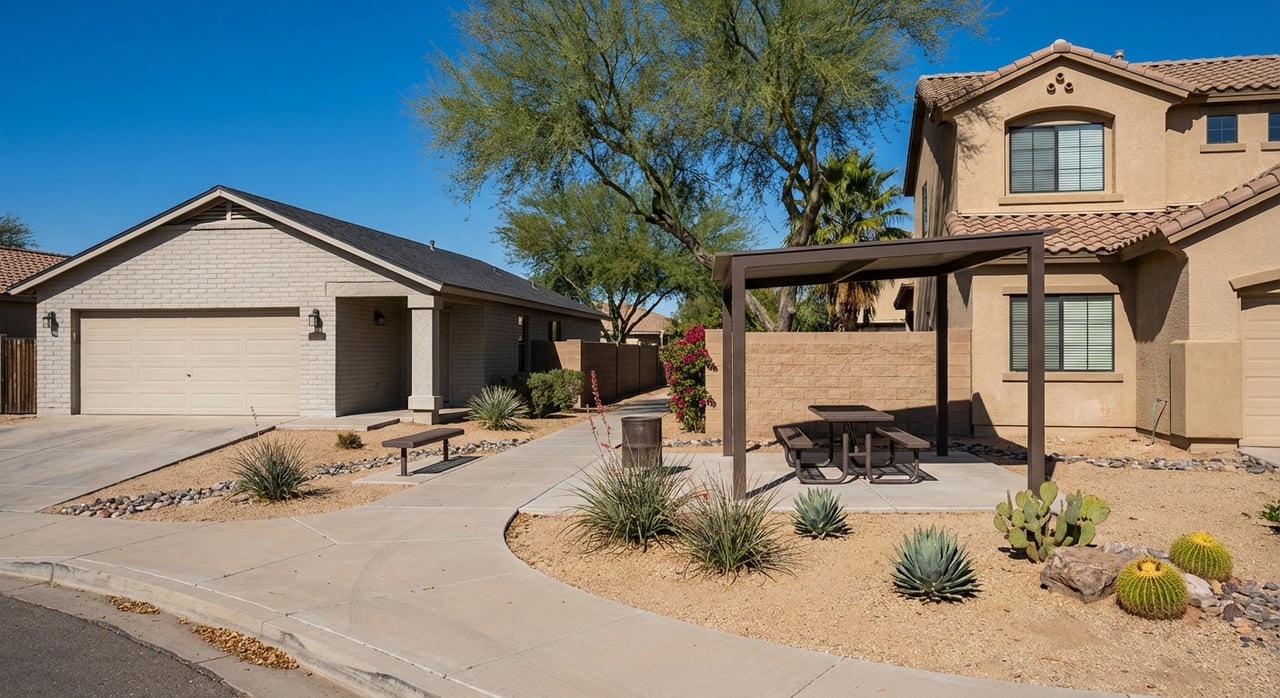
Arcadia is known for mid-century ranch homes on larger lots, many carved from former citrus groves. You will find mature trees, deep backyards, and an indoor-outdoor lifestyle that revolves around patios and pools. The area’s irrigation past still shows up in lot shapes, easements, and older landscaping.
These site features matter. Historic irrigation lines and easements can affect where you place a pool or addition, and mature roots can influence drainage and grading. For context on historic irrigation and easements, review the Salt River Project’s overview of neighborhood irrigation and canal systems. For building, zoning, and setback questions, start with the City of Phoenix Planning & Development Department or the appropriate municipality if the parcel sits near a boundary.
Three Arcadia ranch paths
Arcadia buyers usually encounter three versions of the ranch home. Each has a distinct feel, cost profile, and set of tradeoffs.
Original or classic ranch
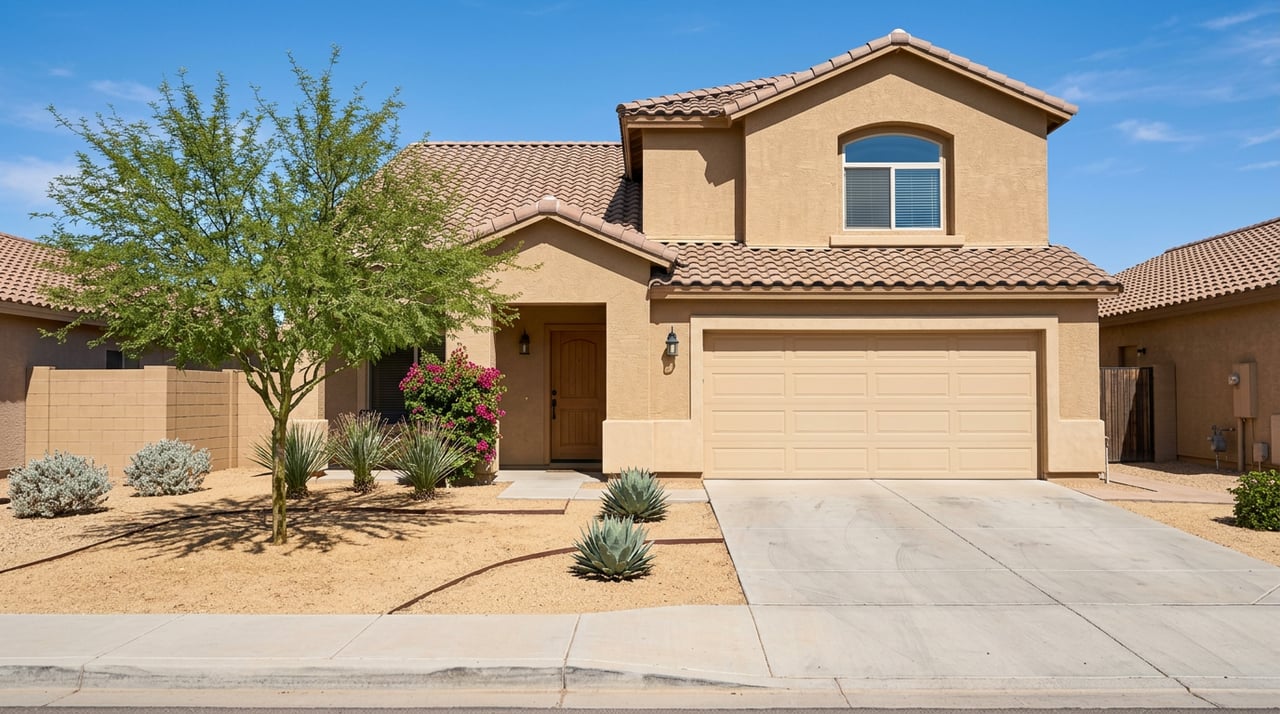
Classic ranches are single-story with low-pitched roofs and simple rectangular or L-shaped plans. Many range from roughly 1,200 to 2,400 square feet and feature separate kitchens, plaster or drywall walls, and hardwood or tile floors. Larger lots and mature landscaping offer privacy and shade.
Plan for a careful inspection. Older electrical panels, aging roofs, and legacy plumbing can be common. Watch for signs of soil movement, previous patchwork repairs, and potential asbestos or lead in the oldest homes. The appeal is real character and often a lower initial price compared with a new build, but you may need a significant renovation to achieve modern flow and efficiency.
Modern farmhouse remodel
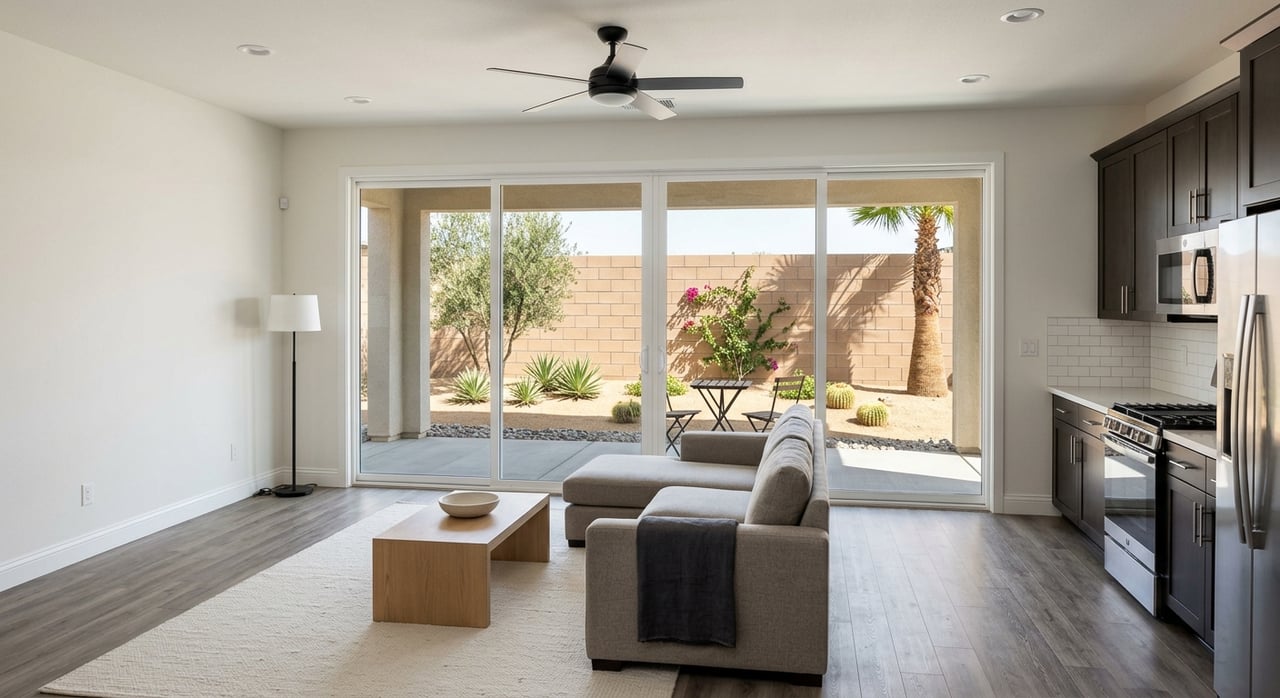
High-end remodels keep the footprint and single-level living while reworking the layout. You will see open great room kitchens, large islands, pantries, upgraded systems, and expanded primary suites with en-suite baths and walk-in closets. Finishes often nod to a farmhouse aesthetic: shaker cabinetry, board-and-batten accents, beams, and black metal doors or windows.
Remodelers commonly remove interior walls, add bathrooms, and create larger sliders to the backyard. Energy and comfort upgrades, such as multi-zone HVAC, new insulation, and modern windows, are routine. The result balances character with convenience and can be faster and less costly than a teardown. The limitation is the existing foundation and rooflines, which can cap ceiling heights and room reconfigurations.
Contemporary rebuild or new construction
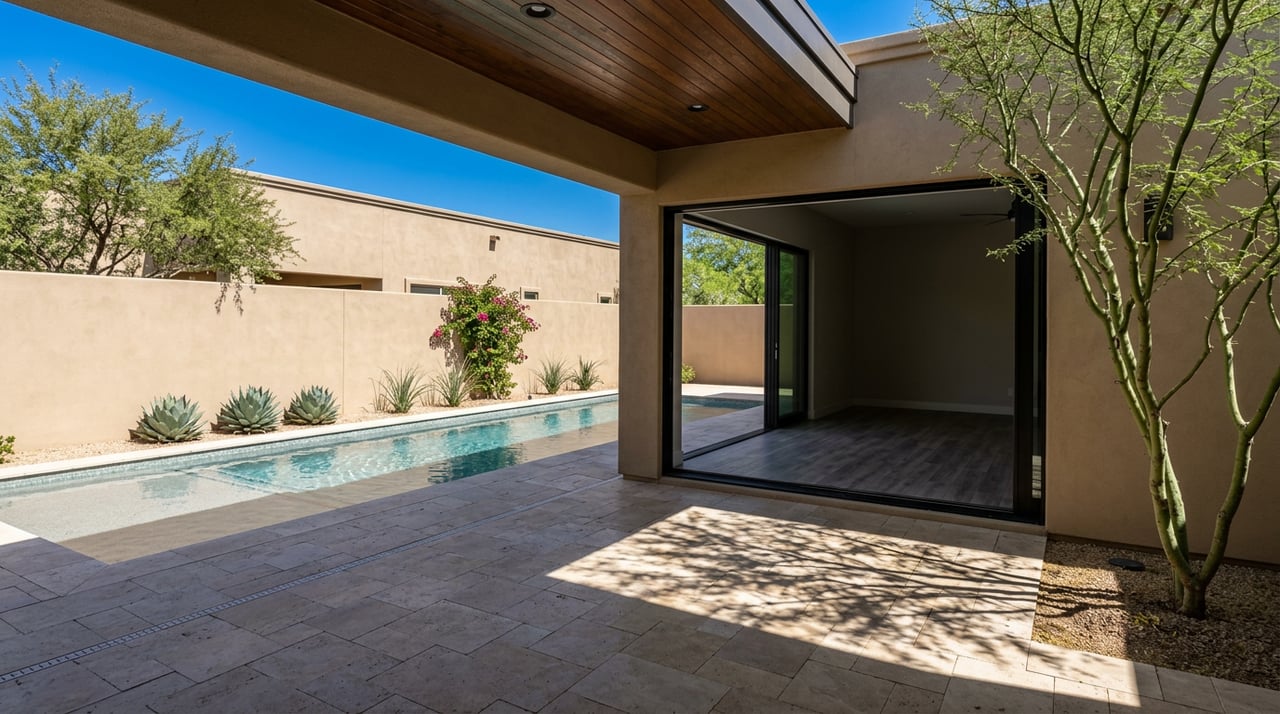
A full rebuild unlocks modern scale, ceiling heights, and glass. New homes may be single-story or two-story with large garages, mudrooms, flexible work spaces, and integrated indoor-outdoor areas. Materials lean contemporary, and mechanical systems are typically high-performance with smart-home wiring.
Rebuilds often push to the limits of what zoning allows, so verify height, coverage, and setback rules with the City of Phoenix Planning & Development Department. If the site is governed by a neighboring city, check the City of Scottsdale Planning and Development or City of Tempe Community Development pages. The upside is full customization and brand-new systems. The tradeoff is a higher total cost and a longer timeline that can stretch from many months to a few years.
Lots, citrus, and outdoor living
Arcadia parcels are often larger and deeper than typical infill lots. Many fall in the 8,000 to 20,000 plus square foot range, though sizes vary. Always confirm the actual parcel size and dimensions with the Maricopa County Assessor before you make plans.
Legacy citrus and mature trees add shade and curb appeal. They can also complicate pool placement, trenching for utilities, or regrading for drainage. In some cases, tree removal may be regulated, so check local rules before making changes. Plan outdoor spaces early, including covered patios, a pool, and outdoor kitchens, so your interior flow aligns with backyard living.
Utilities and site constraints should be reviewed up front. Confirm any irrigation or utility easements that limit usable yard space. Check FEMA flood status for lots near canals and washes using the FEMA Flood Map Service Center. If you are considering an addition or guest house, verify setbacks, lot coverage, and any overlay requirements with the city.
Popular floor plan upgrades
If you buy an original ranch with plans to renovate, these are the changes Arcadia buyers most often prioritize:
- Kitchen expansion with an island, walk-in pantry, and improved sightlines to living and outdoor areas.
- Primary suite enlargement with a modern bath and generous closet space.
- Added bathrooms to reduce sharing and improve privacy.
- Larger sliders or folding doors that connect living rooms to shaded patios.
- Systems upgrades including electrical service, HVAC, insulation, and windows for comfort and efficiency.
- Storage and parking updates such as converting a carport to a garage or enlarging an existing garage.
ADUs and casitas are increasingly popular for multigenerational living or guest space. If the property is in Phoenix, review current guidance on accessory dwelling units under the city’s casitas update on the Phoenix PDD casitas page. Rules vary by municipality, so always confirm maximum size and utility requirements before you plan.
How to compare options
Use these questions to focus your search and filter tradeoffs:
- Do you want single-story living, or are you open to a second story for more space?
- How much renovation time and cost can you absorb, including permits and temporary housing if needed?
- Do you value original character more than turnkey modern amenities?
- How important is the yard for a pool, privacy, or a future ADU?
- What is your move-in timeline, and can you manage a multi-phase project?
Create a quick scoring sheet for three or four homes:
- Parcel size, orientation, and usable yard after accounting for easements.
- Structure and systems condition, including roof age and electrical capacity.
- Feasibility of your plan, such as opening walls or adding onto the rear.
- Permitting constraints, including setbacks, overlays, and ADU allowances.
- Neighborhood compatibility for resale, especially for two-story new builds.
For budgeting, include soft costs like architecture, engineering, permits, and plan review. Utility upgrades, such as a new electrical service or relocating a water line, can materially change numbers. For market context and current inventory, verify data through the Arizona Regional MLS or your agent’s local MLS feeds.
Permits, inspections, and easements
Before you commit, line up the right inspections. A standard home inspection is a start, then add specialists as needed: a structural engineer for foundation or major changes, a roofing contractor, a pool contractor for existing pools, an arborist for significant trees, and a termite or pest inspector.
Confirm that any past renovations were permitted and finalized, since unpermitted work creates risk. Verify zoning and setbacks for additions and check whether any design review applies. For properties near canals or with historic irrigation, confirm all easements and irrigation details with the utility, then check flood status through FEMA and discuss stormwater requirements with the city.
Document everything. Keep permit records, survey or site plans, and any engineering reports organized so you can plan confidently and support resale value later.
Your next step in Arcadia
Choosing between a classic ranch, a modern farmhouse remodel, or a contemporary rebuild is a lifestyle decision as much as a budget decision. You want a home that fits how you live today and adapts to tomorrow, without unwelcome surprises from easements, systems, or permitting.
If you are weighing options, let a local team guide you. With deep Arcadia expertise, curated vendor connections, and a concierge approach to property tours and due diligence, Arizona Proper Real Estate helps you compare styles, evaluate lots, and move from interest to keys with confidence. Schedule a private consultation.
FAQs
What defines an Arcadia ranch home?
- A mostly single-story, mid-century ranch on a larger lot with mature landscaping, simple rooflines, and an indoor-outdoor lifestyle that often includes patios and pools.
How big are lots in Arcadia?
- Many parcels fall roughly in the 8,000 to 20,000 plus square foot range, but sizes vary; confirm the exact dimensions with the Maricopa County Assessor for any specific address.
Is it better to remodel or rebuild in Arcadia?
- It depends on your goals and budget: remodels preserve single-level living and character with faster timelines, while rebuilds deliver full customization with higher cost and longer schedules.
Can I add a guest house or ADU in Arcadia?
- Often yes, but rules vary; if the parcel is in Phoenix, start with the city’s guidance on casitas and ADUs on the Phoenix PDD casitas page, then confirm specifics for your lot.
What inspections should I order for a classic ranch?
- Begin with a general home inspection, then consider a structural engineer, roofing contractor, pool specialist, arborist for mature trees, and termite or pest inspection based on the home’s condition.