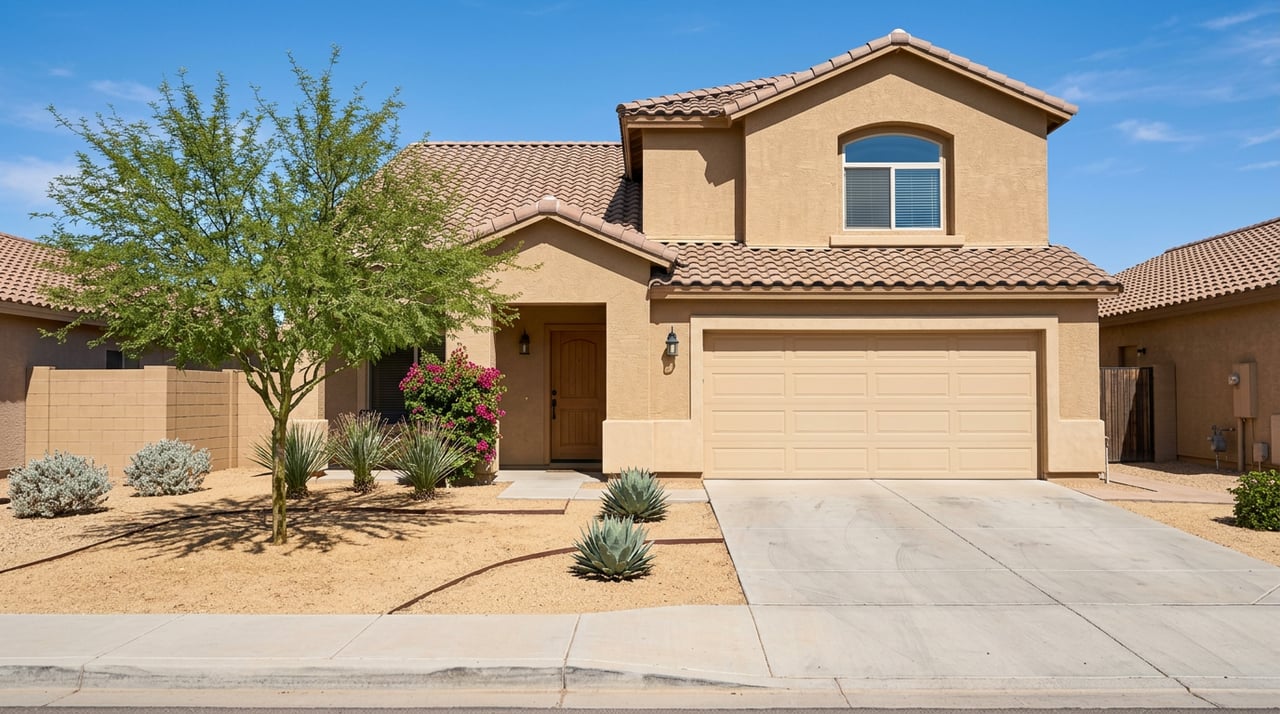
Want a warm-weather retreat that can also help pay for itself? Scottsdale blends resort living with steady visitor demand, which makes it a standout for second homes and investment property. If you are weighing where to buy, how to rent it, and what rules apply, you are not alone. In this guide, you will learn how Scottsdale’s neighborhoods map to different goals, what to know about short-term rentals, and how to set up financing, operations, and an exit plan. Let’s dive in.
Why Scottsdale works for buyers and investors
Lifestyle and event demand
Scottsdale draws year-round travelers, with winter and early spring as high season. Annual events like the Barrett-Jackson Scottsdale Auction bring concentrated demand, driving bookings near Old Town and resort corridors. You can get a sense of that pull from recent coverage of the auction’s strong attendance and sales momentum reported by Morningstar’s Business Wire partner. Spring training also lights up the calendar, with teams across the Cactus League playing near Scottsdale.
Short-term rental performance patterns
Market dashboards indicate Scottsdale’s short-term rentals often see higher average daily rates and occupancy than the broader Phoenix metro, especially in winter and early spring. Results vary by submarket, property quality, and amenities. Review Scottsdale’s market-level ADR and occupancy trends on resources like AirROI’s Scottsdale overview before you model returns.
Price context and supply mix
Scottsdale’s price points sit above national medians, and recent snapshots place median sale prices in the high $800Ks to $900Ks in early 2026 depending on the data source. Numbers move with the share of condos versus luxury estates, so always compare like-for-like when evaluating value and potential yield.
Match your goal to the right area
Old Town and Downtown Scottsdale
If you want a walkable, lock-and-leave second home or a compact STR, Old Town offers condos, townhomes, and small-lot single-family options near dining, nightlife, Scottsdale Stadium, and event venues. High season performance can be strong given proximity to entertainment. New mixed-use projects and hotels continue to add both visitor capacity and rental competition, so pay attention to pipeline and inventory when you price.
North Scottsdale: Troon, DC Ranch, Silverleaf, Desert Mountain
These communities feature luxury estates, privacy, and golf-centric amenities. They tend to fit buyers who want an upscale second home with long-term appeal. They can be less liquid for smaller investors but often show durable demand in the ultra-luxury segment. If you plan to rent, align expectations with the area’s typical guest profile and seasonality.
McCormick Ranch, Gainey Ranch, Grayhawk
Planned communities with established amenities and golf or lake features appeal to second-home owners and long-term renters seeking convenience and recreation. These areas often map well to year-long leases or seasonal use with occasional rentals. Review each HOA’s rules carefully if you plan to host short-term guests.
South Scottsdale and value pockets
Older single-family homes and small multifamily buildings offer lower entry points and potential value-add opportunities. Investors often use these for long-term rentals or for renovated listings aimed at mid-market tenants. Verify zoning, parking, and renovation requirements before you underwrite improvements.
Choose a holding strategy
- Owner-occupied second home with occasional rentals. You use the property and rent select weeks to offset costs. Lenders and insurers treat second homes differently from investment properties, including occupancy and rental-use expectations. Review key distinctions before you apply, as outlined in this second-home loan overview.
- Full short-term rental. You target nightly or weekly bookings year-round, leaning on winter and event calendars. This offers higher revenue potential but requires tight compliance and active operations.
- Long-term rental. You lease for 12 months or more, trading peak-season upside for steadier cash flow and simpler management.
- Hybrid. Many buyers occupy during peak personal-use months and host STRs in shoulder or off-peak periods. This adds scheduling complexity; set expectations upfront if peak weeks are also the most profitable.
Scottsdale licensing, taxes, and compliance
City license and operating rules
Scottsdale requires a short-term/vacation rental license for stays under 30 days, with neighbor notification, a 24/7 local contact, safety postings, and minimum liability insurance. Review the city’s requirements and step-by-step process on the Scottsdale vacation and short-term rentals page. Noncompliance can lead to fines or enforcement action, so build these steps into your timeline.
Taxes and registration
Short-term stays are subject to Arizona Transaction Privilege Tax and transient lodging taxes. Owners must register with the state and remit taxes unless a marketplace handles it on your behalf. Additional county or city lodging taxes may apply. For a practical primer on taxable classifications and reporting, see this Arizona STR tax overview. Long-term residential leases have different tax treatment under recent state law changes, so confirm current rules before you model net yields.
HOA covenants and community rules
Arizona law limits municipal bans by classification, but HOAs can restrict or prohibit short-term rentals. Always review CC&Rs, leasing addenda, and any approval or notice requirements prior to closing.
Setup, management, and typical costs
Management models and fees
Professional short-term rental management typically charges a percentage of gross revenue. Ranges often run from the mid-teens to the mid-twenties depending on services, with boutique, white-glove operators at the higher end. Long-term rental management fees are usually lower, often in the single digits to low teens of collected rent. For a quick industry primer on STR fees and service tiers, review this management cost overview. Always request a written fee schedule, including cleaning coordination, maintenance markups, marketing fees, and termination terms.
Furnishing, setup, and guest experience
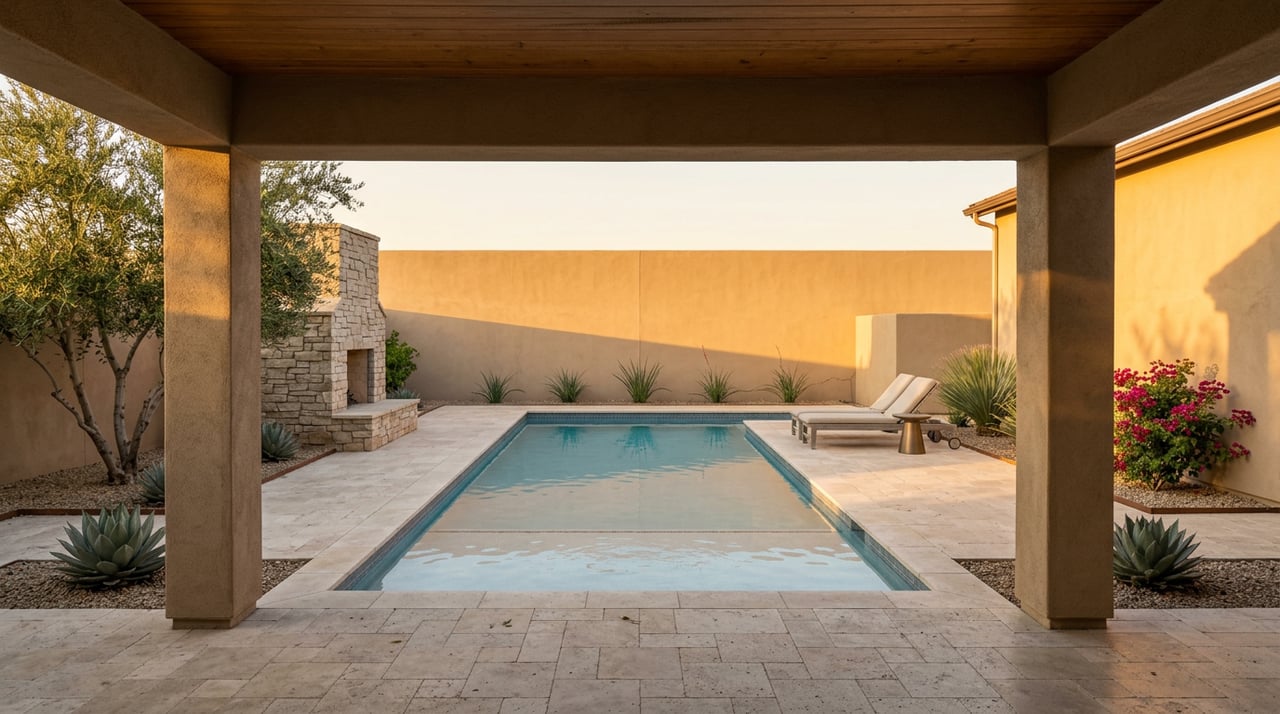
A turnkey STR setup includes durable furniture, hotel-grade linens, fully stocked kitchens, smart locks, strong Wi-Fi, and professional photography. Expect several thousand dollars for a small condo and more than that for larger homes with multiple bedrooms and outdoor spaces. Pools, landscaping, outdoor seating, and thoughtful design choices can materially influence nightly rates and reviews.
Operating expenses to model
Include cleaning per turnover, supply restocking, utilities, pest control, landscaping, and weekly pool service for single-family homes with private pools. Budget seasonal maintenance and reserves for A/C units and pool equipment. For long-term rentals, plan for lease-up and renewal costs, periodic deep cleans, and routine wear replacements.
Revenue, modeling, and seasonality
Short-term rental outcomes swing with location, size, amenity set, and season. Winter and early spring are strongest, while summers run softer. Build conservative models using local comps and market dashboards such as AirROI’s Scottsdale metrics. Layer in all operating lines, including management, cleanings, utilities, HOA dues, insurance, maintenance, and applicable taxes. If you plan a hybrid approach, protect personal-use dates only after you test demand during peak weeks, then set a calendar strategy that balances lifestyle with returns.
Financing, taxes, and exit planning
Second-home vs. investment loans
Underwriting, down payments, reserves, and pricing differ for second homes compared with investment properties. Some conventional guidelines allow higher LTVs on true second homes than on investor loans, but lenders review occupancy and rental activity closely. Align your declared use with actual use to avoid misclassification. For a refresher on second-home criteria, see this qualifying guide.
Property taxes in Maricopa County
Arizona uses a limited property value system with caps on annual increases, and the effective tax rate depends on local levies. To understand how assessments work, start with the Maricopa County Assessor’s overview. Calculate expected taxes at the parcel level when you compare neighborhoods.
1031 exchanges and deferring gains
If you hold the property for investment, a Section 1031 like-kind exchange can defer capital gains when you sell and buy another investment property. Strict timelines and documentation apply. Review the IRS’s 1031 exchange overview and coordinate with a qualified intermediary well before you list.
Resale and long-term drivers
Scottsdale benefits from climate, golf and resort amenities, a robust event calendar, and regional population growth. Appreciation and resale timelines vary by submarket and price tier. Luxury estates can behave differently than urban condos, so rely on hyperlocal comps and current inventory when you plan exits.
A practical due-diligence checklist
- Define your use case. Decide on owner use, full STR, long-term rental, or hybrid, then confirm lender and insurance implications early.
- Confirm STR eligibility. Review Scottsdale’s license requirements and safety rules, and verify HOA/CC&Rs permit your intended rental use.
- Model revenue conservatively. Use Scottsdale-specific STR comps and a separate model for year-round leases. Include every operating line item.
- Get management quotes. Compare fee structures, marketing strategies, response times, maintenance policies, and reporting dashboards.
- Verify insurance. Ensure your policy covers second-home or STR use, required liability limits, and any vacancy or season endorsements.
- Plan for taxes. Register for state TPT and lodging tax if hosting STRs and confirm current long-term lease tax rules before projecting net yield.
- Price with local comps. Align expectations to your submarket class, from Old Town condos to North Scottsdale estates.
- Map exit options. Consider liquidity by property type, seasonal demand, and whether your plan may benefit from a 1031 exchange.
Ready to explore Scottsdale second homes or investment property with a trusted local guide? Schedule a private consult and tap our neighborhood expertise, valuation tools, and curated vendor network. Start the conversation with Arizona Proper Real Estate.
FAQs
Can I use a Scottsdale second home and also rent it short-term?
- Yes, but any stay under 30 days requires a Scottsdale short-term rental license, neighbor notification, safety postings, and compliance with insurance and local contact rules. Your HOA may restrict rentals, so check CC&Rs.
What seasons are strongest for Scottsdale short-term rentals?
- Winter and early spring typically deliver the highest rates and occupancy, aided by events and mild weather. Summer is softer, so plan pricing and marketing accordingly.
How are taxes handled for short-term stays vs. long-term leases in Scottsdale?
- Short-term stays are subject to state TPT and transient lodging taxes, while long-term residential leases have different tax treatment under recent state law changes. Confirm current rules before modeling returns.
What management fee ranges should I expect in Scottsdale?
- Short-term rental managers often charge a percentage of gross revenue, typically from the mid-teens to mid-twenties depending on service level. Long-term management fees are usually lower, often single digits to low teens.
Which Scottsdale areas fit a long-term rental strategy vs. STRs?
- Walkable Old Town condos and homes near event venues often suit STRs, while planned communities like McCormick Ranch, Gainey Ranch, and Grayhawk frequently align with long-term leasing. Always confirm HOA rules and local demand before buying.