What truly makes a home feel luxurious in Paradise Valley Village? It is more than price or square footage. In this corner of Phoenix, luxury shows up in the land beneath your feet, the mountain ridgelines around you, and the way indoor and outdoor spaces flow together. If you are considering a move, second home, or a strategic upgrade, knowing what defines luxury here will help you focus your search and protect your investment. Let’s dive in.
Paradise Valley Village vs. Town of Paradise Valley
Before you start touring, confirm the jurisdiction. Paradise Valley Village is a City of Phoenix planning area. The Town of Paradise Valley is a separate municipality next door. Many buyers confuse the two.
Why it matters: zoning rules, the permitting process, and some municipal services differ between the City of Phoenix and the Town of Paradise Valley. If you value specific design options or plan future improvements, verify where the property sits early in your research.
What luxury means here
Luxury is market relative in Phoenix. Instead of a single price tag, expect a mix of traits that raise desirability and value. In Paradise Valley Village, the standouts are lot privacy, mountain and skyline sightlines, architecture with integrity, seamless indoor–outdoor living, and premium materials and systems. Proximity to Camelback Mountain, the Phoenix Mountains Preserve, and lifestyle hubs like the Camelback Corridor and Scottsdale also shapes demand.
Lot size and privacy
Large, usable lots are a foundation of luxury in the foothills. Parcels often feature significant setbacks, walled courtyards, and gated driveways that create a private, estate feel.
- Elevated or irregular lots can improve privacy and deliver better outdoor layouts for pools, gardens, and guest casitas.
- Mature desert landscaping or designed xeriscapes help with shade, microclimate, and long-term water use.
- Orientation matters. Lots that place primary living areas and patios away from neighboring sightlines command premiums.
- Do your homework on site constraints like hillside development rules, drainage easements, and wash corridors that may affect how you use the land.
Mountain and skyline views
Sightlines are a signature luxury feature here. The most coveted views include Camelback Mountain, surrounding ridgelines, and city lights.
- View quality is highly site specific. A modest home on a superior view lot can outprice a larger home without views.
- Direction matters. Sunrise and sunset exposures over desert or ridgelines are prized, but they bring different light and heat patterns you should test at different times of day.
- Long-term protection is key. Understand how future development or tree growth could affect views, and seek documentation when possible.
Architecture and design
Architecture signals quality from the curb and shapes livability. You will see several high-end styles in Paradise Valley Village.
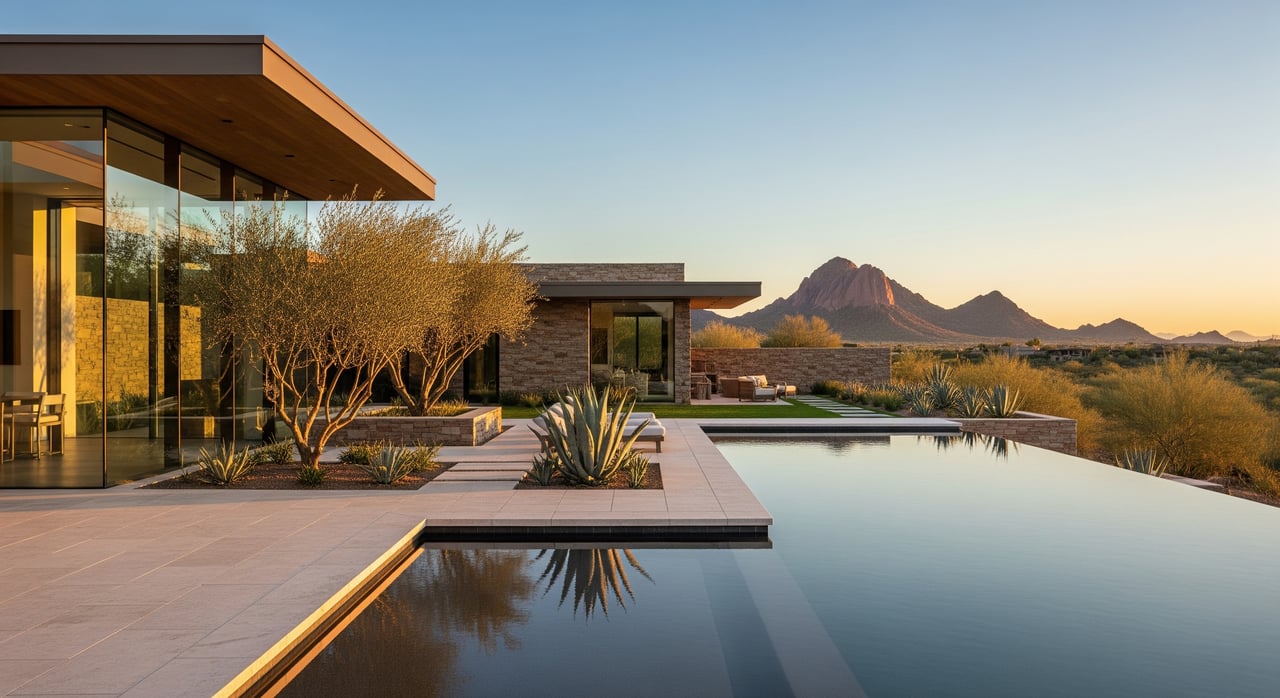
- Contemporary and modern homes use clean lines, glass walls, and low-slope roofs to frame views.
- Southwestern or Desert Modern homes integrate courtyards and materials that match the desert palette.
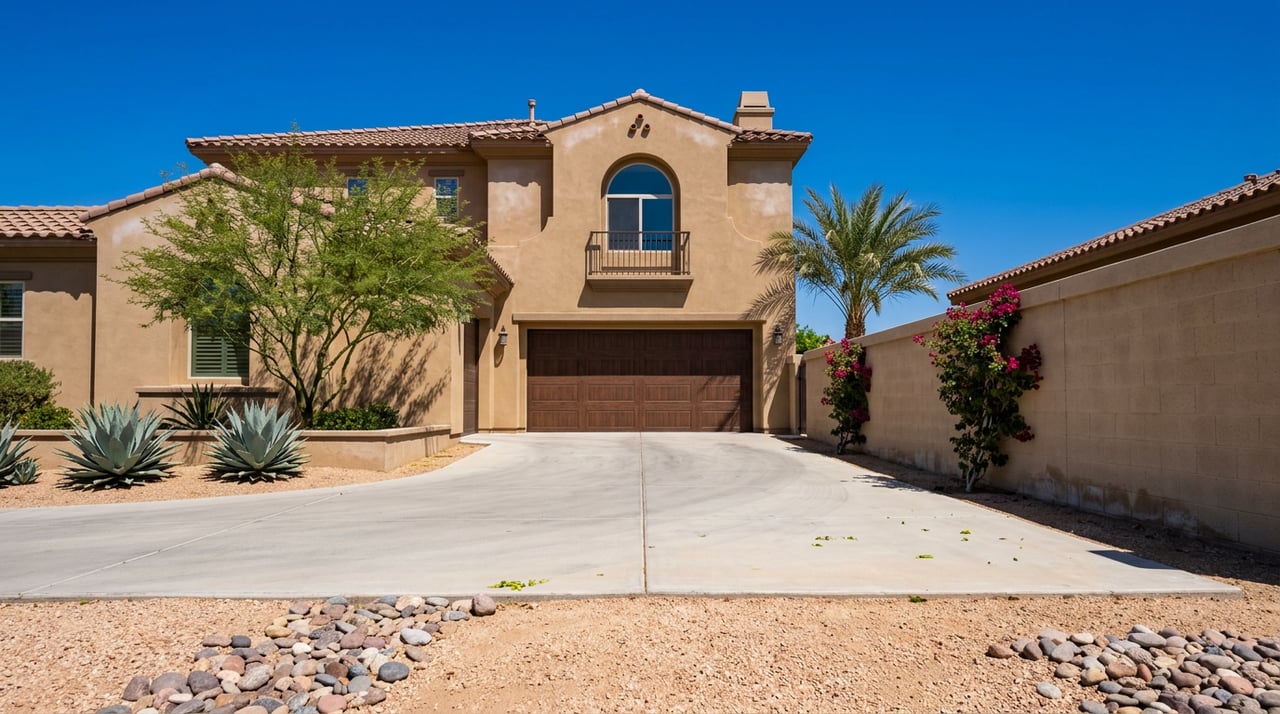
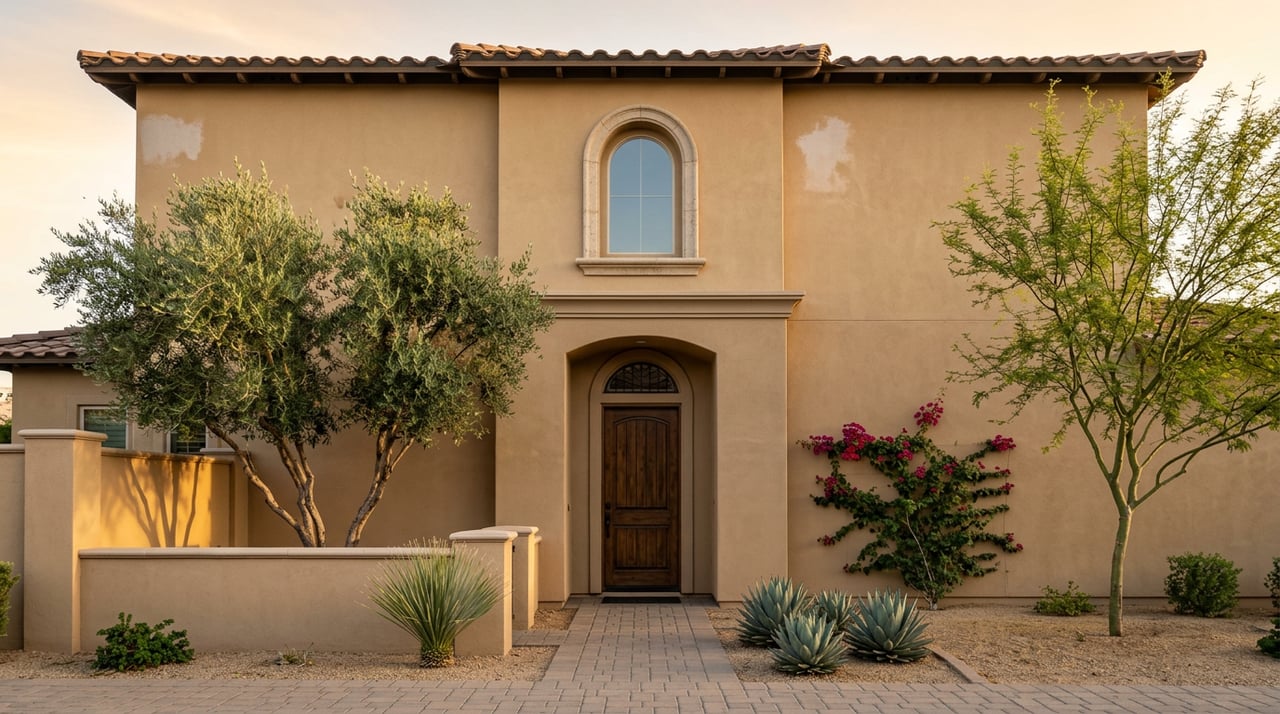
- Mediterranean and Spanish Revival estates feature stucco, arches, and tile roofs.
- Mid-century modern elements appear in select pockets near Camelback and Arcadia-adjacent areas.
Architect pedigree and design integrity matter. Homes by recognized architects or properties that preserve original proportions and site planning tend to earn premiums. In contrast, partial remodels that ignore the original design language can underperform.
Indoor–outdoor living
High-end buyers expect smooth transitions between inside and out. That is especially true in Phoenix, where outdoor rooms extend your living space.
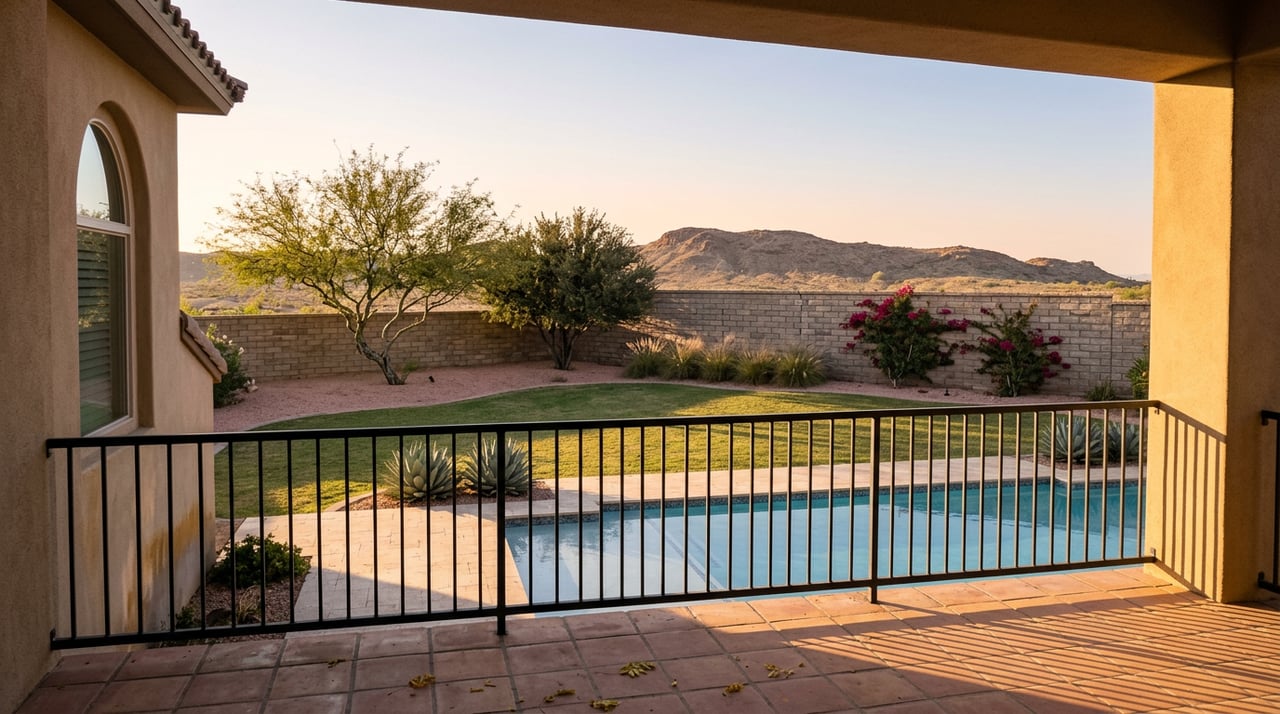
- Folding or stacking glass doors, deep covered patios, and internal courtyards create multiple zones for dining and lounging.
- Pools often feature saltwater systems, infinity or negative-edge designs, spas, tanning ledges, and refined water features.
- Outdoor kitchens, fireplaces or fire pits, built-in shade, and layered landscape lighting round out the experience.
- Guest casitas and detached spaces add privacy for visitors and flexibility for multi-generational living or long-stay guests.
- Climate strategies like high-performance glazing, shade structures, and misters improve comfort and expand seasonal use.
Materials, systems, and tech
Luxury homes here lean on durable, high-end materials and advanced systems that reduce risk, elevate comfort, and support appraisal value.
- Exterior and hardscape: natural stone, custom metalwork, large-format porcelain tile, and premium stucco finishes.
- Interior finishes: engineered or reclaimed hardwoods, slab stone surfaces, custom millwork, integrated lighting, and designer fixtures.
- Mechanical and tech: whole-house HVAC zoning, high-efficiency AC, solar photovoltaic systems, home automation platforms, integrated security, and media rooms.
- Kitchens: Sub-Zero, Wolf, Miele, or Gaggenau appliances, built-in refrigeration, dual islands, and temperature-controlled wine rooms.
- Vertical and vehicle needs: elevators in multi-level homes, oversized garages for 3 or more cars, and in some cases RV or workshop space.
- Sustainability: water-smart landscaping, reclaimed materials, LED lighting, high-performance glazing, and solar can lower operating costs and improve marketability.
Neighborhood context and amenities
Lifestyle access influences demand. Proximity to premium retail and dining, private or membership clubs, and the Camelback Corridor or Scottsdale helps drive desirability. Low-density surroundings and nearby open space can improve privacy, protect viewsheds, and support long-term value. Use neutral, property-specific criteria as you evaluate neighborhoods, and confirm any community rules or review processes that could affect changes you plan to make.
How features affect value
The way luxury shows up on a parcel can change your price and your long-term return.
- Lot and privacy: Larger, private lots with usable outdoor square footage earn measurable premiums. Outdoor rooms oriented for comfort and views are especially valuable.
- Views: Unobstructed mountain or skyline views often command the highest premiums, with value tied to quality and rarity within the micro-market.
- Architecture: Recognized architects and thoughtful, high-quality renovations lift price per square foot. Inconsistent remodels can suppress value.
- Systems: Documented upgrades like new HVAC, roofs, solar, and electrical reduce perceived risk and support higher appraisals.
Smart tradeoffs to consider
Every luxury home includes choices that affect budget and lifestyle.
- Yard scale vs. maintenance: Second-home buyers often favor lower-maintenance xeriscapes and lock-and-leave layouts. Local move-up buyers may want larger yards with more activity zones.
- Water and energy use: Oasis landscaping increases irrigation needs. Xeriscape designs and solar can offset costs over time.
- Privacy vs. exposure: The best views may sit on more exposed parcels. Test sun, wind, and heat conditions at different times before you commit.
Due diligence checklist
Use a structured review to protect your purchase and plan improvements with confidence.
- Confirm jurisdiction: verify City of Phoenix (Paradise Valley Village) vs. Town of Paradise Valley.
- Pull parcel data: review Maricopa County Assessor and Recorder records for ownership, tax history, lot lines, and easements.
- Check zoning: consult City of Phoenix Planning and Development for setbacks, hillside rules, and allowable uses.
- Inspect major systems: roof, HVAC age and zoning, electrical, pool equipment and structure, irrigation, drainage, and building envelope details like flashing and expansion joints.
- Order specialized inspections as needed: termite and pest, pool systems, solar performance, and soil or foundation for hillside lots.
- Analyze utilities: request average electric and water bills, irrigation usage, and evaluate solar or battery potential.
- Review restrictions: verify any HOA covenants, architectural review requirements, and guest casita or rental policies.
Local data sources and pros
For current market tiers, comps, and risk review, engage local experts and official records.
- Arizona Regional MLS data and broker market reports for sales trends and view-adjusted comps.
- Maricopa County Assessor and Recorder for parcel and tax records.
- City of Phoenix Planning and building permit records to confirm permits and code compliance history.
- Local residential appraisers with foothills and Paradise Valley Village experience.
- Architects and landscape professionals skilled in hillside and water-smart design.
Final thoughts
In Paradise Valley Village, luxury is the sum of the land, the views, and the design story that ties them together. Focus first on the parcel and sightlines, then on architecture and the quality of indoor–outdoor connections. Finish with materials and systems that reduce risk and elevate day-to-day living. When you align these pieces with your lifestyle and budget, you position yourself for enjoyment now and stronger resale later.
If you are ready to tour view lots, compare micro-markets, or evaluate a renovation plan, our team is here to help with discreet, concierge guidance and data-driven valuations. Connect with Arizona Proper Real Estate to schedule a private consultation.
FAQs
What is the difference between Paradise Valley Village and the Town of Paradise Valley for buyers?
- Paradise Valley Village is within the City of Phoenix, while the Town of Paradise Valley is a separate municipality, so zoning, permitting, and some services differ and should be confirmed early.
How do mountain and skyline views impact home prices in Paradise Valley Village?
- Premiums for Camelback and ridgeline views vary widely by quality and rarity, so rely on recent local comparable sales through ARMLS and a micro-market analysis to quantify value.
Which architectural styles define luxury in Paradise Valley Village?
- Contemporary and modern, Southwestern or Desert Modern, Mediterranean or Spanish Revival, and select mid-century modern designs are common in high-end listings.
What ongoing costs should I expect for a luxury home in this area?
- Plan for pool and landscape service, higher summer cooling costs, and routine HVAC maintenance, with potential savings from solar and water-smart landscaping.
Are HOAs common in Paradise Valley Village luxury neighborhoods?
- Many foothill areas fall under City of Phoenix jurisdiction without strict HOAs, but individual subdivisions may have covenants or architectural reviews, so verify title and community documents.
Should I prioritize lot orientation or interior finishes when buying here?
- For second homes, low-maintenance outdoor living and high-end interiors can be smart; for long-term move-ups, lot quality, privacy, and protected views often deliver stronger long-term value.